Top 10 Fire Alarm Cable Types You Should Know?
Fire alarm cables play a crucial role in ensuring safety in buildings. Choosing the right type can make a significant difference in performance. There are various fire alarm cable types, each designed for specific applications. Understanding these types helps you meet safety standards.
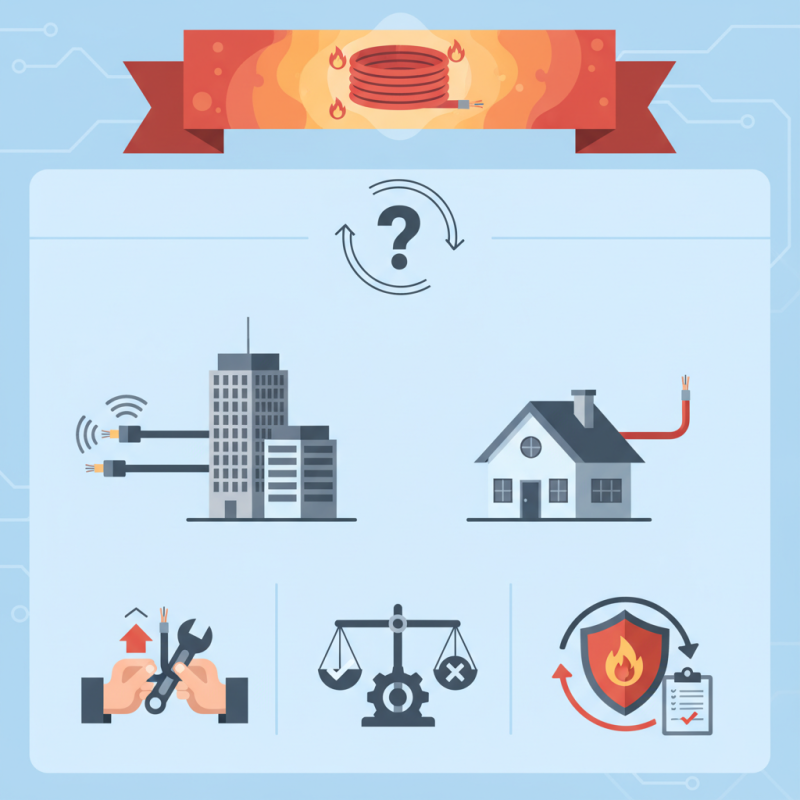
Every building has unique needs. For example, commercial spaces might require durable cables that resist interference. Residential settings often need simpler solutions, but reliability is just as vital. Selecting the wrong type could lead to failure in emergencies. Reflecting on past choices can guide future decisions.
Awareness of fire alarm cable types also enhances installation practices. Some cables are easier to install but might compromise safety features. It's essential to weigh the pros and cons. Ultimately, a well-informed choice impacts overall fire safety and compliance. Be proactive about understanding these options.
Understanding Fire Alarm Cables: Importance and Applications
Fire alarm cables are crucial for safety in buildings. They carry signals from smoke detectors and alarms. Understanding the types can help in selecting the right one. According to recent industry reports, improper installation can increase fire risks by 30%. Therefore, choosing the appropriate cable is essential.
When choosing a fire alarm cable, consider its application. Several types exist, including standard and low-smoke cables. Standard cables are common, but low-smoke options minimize toxic gas in case of fire. Many buildings now opt for low-smoke cables due to safety regulations. This choice can significantly reduce risks during emergencies.
Tips: Always check local codes before installation. Not all cables meet safety requirements. Conduct regular maintenance checks on fire alarm systems. This simple step can prevent failures during actual emergencies. Choose cables that fit your specific environment to ensure optimal performance.
Top 10 Fire Alarm Cable Types
This chart illustrates the variety of fire alarm cable types and their respective applications in various fire safety systems.
Types of Fire Alarm Cables: A Comprehensive Overview
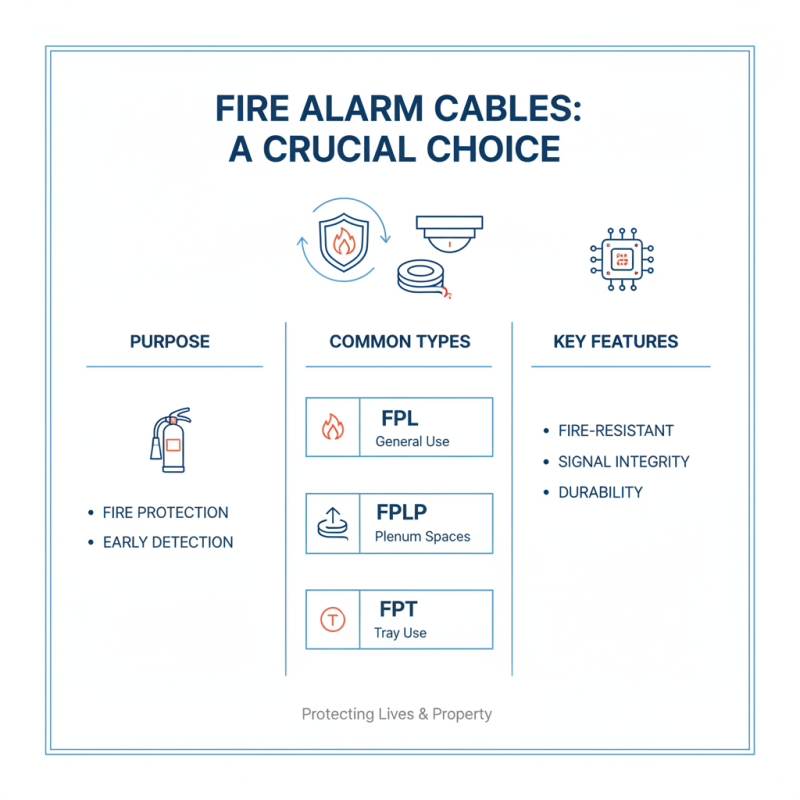
When it comes to fire alarm systems, the type of cable you choose is crucial. Fire alarm cables are specifically designed to protect against fires and ensure early detection. There are various types to consider, each with unique features. Common fire alarm cables include FPL, FPLP, and FPT cables.
FPL cables are suitable for general applications. They can run through walls and ceilings. However, their insulation may not handle high temperatures well. On the other hand, FPLP cables are similar but offer better protection against moisture. These are good for outdoor or damp environments. FPT cables are made with a more robust jacket, ideal for harsh conditions.
**Tip:** Always check local codes before purchasing cables. Some buildings have specific requirements regarding fire safety. If unsure, consulting a licensed electrician can help. Additionally, remember that installation matters. Poor installation can diminish even the best cables.
Another type is the non-metallic sheathed cable. This is cost-effective for many applications, but it’s not always flame-resistant. Reflect on the environment where the fire alarm system will be installed. Each type of cable serves different needs. Choosing the right one can save lives.
Key Features to Consider When Choosing Fire Alarm Cables
When selecting fire alarm cables, isolation and durability are paramount. Look for cables with fire-resistant materials. These ensure that the system remains operational during a fire. Consider the installation environment. Cables must withstand extreme temperatures and potential impacts. This means choosing types suited for both indoor and outdoor use.
Tips: Always check the cable’s rating. This will guide you in making a safer choice. Besides, label the cables properly to avoid confusion during installation.
Understand the importance of conductor size. Thicker conductors can handle more current but may be less flexible. Weighing flexibility against current capacity is essential for effective design. Some may overlook these details. However, they directly impact the effectiveness of the fire alarm system.
Tips: Consider future expansions. Choose cables that allow for additional circuits. This can save costs and time later.
Installation Best Practices for Fire Alarm Cabling Systems
Installing fire alarm cabling systems requires attention to detail and adherence to best practices. According to the National Fire Protection Association (NFPA), improper installation can lead to failures during emergencies. A common mistake is neglecting proper routing.
Cables must be organized to avoid interference, ensuring signals are transmitted effectively.
Proper cable selection is also critical. Using the right fire-rated cables can mitigate risks. Many professionals recommend using cables with an inherent fire resistance rating. This helps maintain system integrity during a fire. It's essential to consider both horizontal and vertical runs. Each has unique challenges that can compromise safety if overlooked.
Documenting the process is crucial. Proper labeling helps with future troubleshooting. Regular inspections and maintenance are vital. Data from industry reports indicate that nearly 30% of fire alarms fail due to installation errors. Review installations regularly. Reflect on the process to improve future practices. Small adjustments can make a significant difference in safety outcomes.
Maintaining and Inspecting Fire Alarm Cables for Safety Compliance
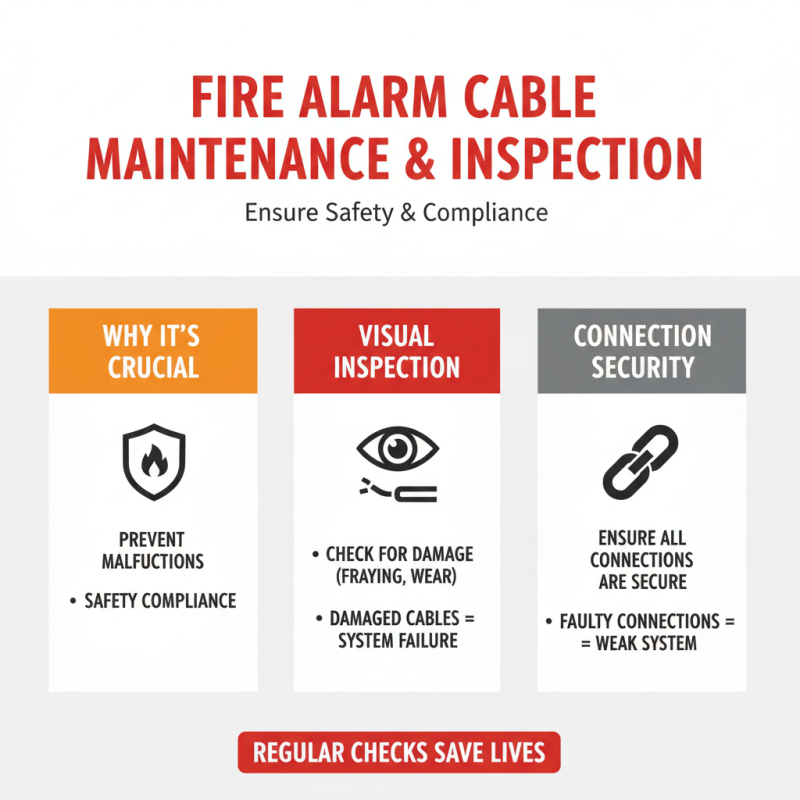
Maintaining and inspecting fire alarm cables is crucial for safety compliance. Regular checks can prevent potential malfunctions. Inspect cables for any visible damage, such as fraying or wear. Damaged cables can lead to failures in alarm systems. It's important to ensure that all connections are secure. Faulty connections can weaken the integrity of the system.
Testing the functionality of fire alarm cables should be done frequently. This includes checking for proper power flow and signal strength. If a cable is not working efficiently, it may signal an underlying issue. Simple tests can reveal complications, but it's easy to overlook them. Regular documentation of inspections helps track any reoccurring issues. Clear records can guide future maintenance decisions.
Proper installation is just as vital as regular maintenance. Cables should be installed in accordance with safety standards. Sometimes, installation might not meet code requirements, leading to safety hazards. Contacting professionals for installation can be beneficial. However, DIY solutions can occasionally lead to poor outcomes. Ensuring that all cables are compliant can prevent costly fixes later on. Regular reflection on inspection processes also helps improve safety compliance.