Essential Tips for Choosing Cat 5e Wire for Your Network?
When setting up a home or office network, choosing the right cabling is crucial. One popular option is cat 5e wire. This cable type supports fast data transfer, making it ideal for many applications. However, not all cat 5e wires are created equal. It's important to consider factors like construction quality and the brand.
Selecting the right cat 5e wire may seem straightforward, but several variables impact performance. For instance, the cable’s insulation type and the quality of the connectors play significant roles. Amateur network builders often overlook these details, leading to subpar performance and frustrating experiences.
In a world where technology constantly evolves, staying informed is key. Evaluate your specific needs carefully. Research reputable manufacturers and read reviews to avoid common pitfalls. Your choice of cat 5e wire can make or break your network experience. Choose wisely to ensure reliable performance.
Understanding Cat 5e Wire: Key Features and Specifications
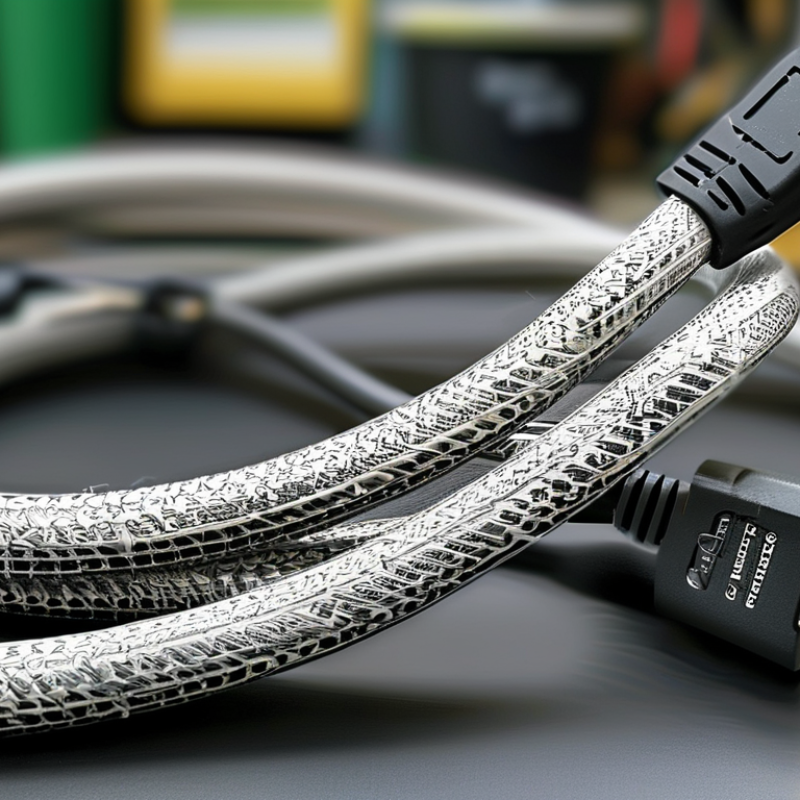
When selecting Cat 5e wire for your networking needs, understanding its key features is vital. Cat 5e, or Category 5 enhanced, can support data rates up to 1 Gbps. It operates effectively over distances of 100 meters. This wire is crucial for both home and business networks. It typically has four twisted pairs of wires, which help to minimize interference.
According to the Telecommunications Industry Association, Cat 5e cables have improved specifications compared to their predecessors. These improvements include better crosstalk performance. This means reduced signal degradation and fewer disruptions, which enhance overall network reliability. Cat 5e wires are commonly used for Ethernet connections, VoIP, and video conferencing.
One important consideration is installation quality. Poorly terminated or improperly installed cables can lead to issues that negate the benefits of Cat 5e’s specifications. It's essential to use proper tools and techniques during setup. Even small mistakes can result in significant performance drops. It is possible to achieve excellent results with Cat 5e cable, but awareness of potential pitfalls is key for optimal performance.
Essential Tips for Choosing Cat 5e Wire for Your Network
| Feature |
Specification |
Description |
| Cable Type |
Twisted Pair |
Consists of pairs of insulated copper wires twisted together. |
| Maximum Bandwidth |
100 MHz |
Suitable for most home and office networking needs. |
| Maximum Data Rate |
1 Gbps |
Can support gigabit Ethernet standards. |
| Distance Limit |
100 meters |
Effective transmission distance before signal degradation. |
| Jacket Material |
PVC/LSZH |
Options for fire safety and reduced smoke emission. |
| Shielding |
Unshielded (UTP) / Shielded (STP) |
Choose based on the environment's electromagnetic interference. |
Assessing Your Network Needs: Determining the Right Path
When choosing Cat 5e wire for your network, assessing your specific needs is crucial. Consider the number of devices connected to your network. A home with multiple smart devices may require more robust cabling. Evaluate the distances between devices and the hub. Longer runs may lead to signal degradation, so your choice of wire matters.
Think about the speed requirements as well. If you stream high-definition videos or play online games, you need a wire that supports higher bandwidth. Observe potential interference from other electronic devices. The placement of your cables can affect performance. Keeping wires away from power sources can help maintain signal quality.
Be aware of the environment where the cables will be installed. Outdoor installations might require extra protection from elements. However, consider the cost factor too. Higher quality cables may be more expensive but can offer long-term reliability. Reflect on your choices and weigh the benefits against any potential downsides. Each aspect requires careful thought to ensure a dependable network.
Evaluating Quality: How to Choose Reliable Cat 5e Manufacturers
When choosing Cat 5e wire, the manufacturer’s reputation is critical. Look for manufacturers with a track record of reliability. Experience in the industry often indicates a proven ability to produce quality products. Assess their certifications and standards compliance. This will give you insight into their commitment to quality.
Consult industry reviews to gauge user experiences. Professionals often share insights on durability and performance. Trustworthy manufacturers will also provide detailed specifications on their products. This transparency fosters confidence in their craftsmanship. However, beware of those who oversell their claims. A little skepticism can be helpful.
It's important to consider the type of materials used in the wire. Not all copper is created equal. Some wires might have a higher level of conductivity, contributing to better performance. Also, be mindful of the warranties they offer. Warranties can be a reflection of the manufacturer's confidence in their product. Knowing this can guide your decision-making process effectively.
Essential Tips for Choosing Cat 5e Wire for Your Network
This chart illustrates the key factors to consider when evaluating the quality of Cat 5e wire and choosing reliable manufacturers. The data shows the importance of various attributes in the decision-making process.
Installation Considerations: Best Practices for Cat 5e Wiring
When installing Cat 5e wiring, several best practices must guide the process. One critical aspect is cable length. According to industry standards, the maximum run for Cat 5e cables is 100 meters. Exceeding this limit can lead to signal degradation. It’s advisable to keep your runs shorter when possible, ideally under 90 meters. This helps maintain optimal performance.
Another consideration is cable management. Properly securing cables prevents physical damage and interference. Using cable trays, ties, and pathways can enhance organization. Studies from the Telecommunications Industry Association indicate that maintaining organized cabling can reduce troubleshooting time by up to 30%. Using color coding also aids in quick identification during maintenance checks.
It's important to be aware of environmental factors. Avoid running cables near power sources, as electromagnetic interference can corrupt the data. Routing wires through areas with extreme temperatures or moisture can reduce longevity. Always consult reliable technical documentation or industry standards for guidance, ensuring your installation meets local codes and safety regulations. Reflecting on these factors contributes to a robust networking solution, minimizing future issues.
Future-Proofing Your Network: When to Upgrade from Cat 5e
Upgrading from Cat 5e is a critical decision for your network's longevity. Many homes and businesses still rely on this cabling standard, yet technology evolves rapidly. Cat 5e supports 1 Gbps speeds at distances up to 100 meters. However, as online activities become more demanding, such as 4K streaming or gaming, it may struggle to keep up.
If your data needs are increasing, consider future-proofing your network. Options like Cat 6 or Cat 6a can provide significantly higher speeds and bandwidth. Cat 6 can handle 10 Gbps at shorter distances, while Cat 6a excels over longer runs. Making the upgrade can alleviate connectivity issues and enhance overall performance.
Not everyone needs an immediate upgrade, though. If your current setup meets your demands, delaying the change can make sense. Assess your bandwidth usage regularly. If you notice slow speeds or connection drops, it’s a sign to rethink your cabling. Balancing cost with performance is key.