How to Choose the Right PV Cable for Your Solar Power System?
Choosing the right PV cable is crucial for any solar power system. A high-quality PV cable ensures optimal energy transfer and durability. It connects solar panels, inverters, and batteries, playing a vital role in system efficiency.
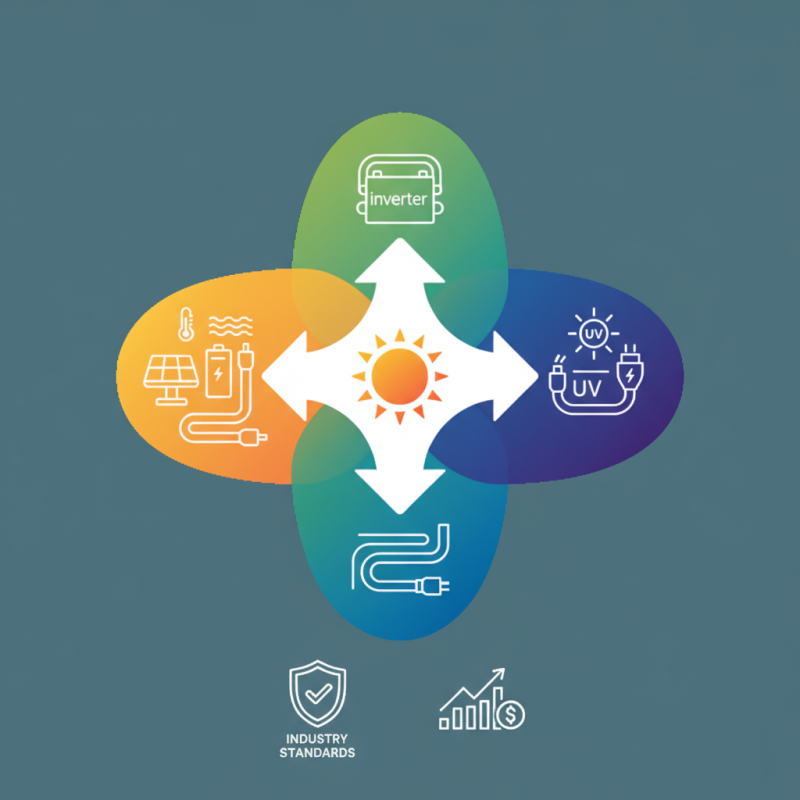
When selecting a PV cable, consider factors like temperature, flexibility, and UV resistance. Not all cables are made equal. Some may degrade faster under harsh conditions. Others may not handle high currents effectively. Such issues could lead to energy losses or even system failures.
Take time to evaluate your specific needs. Look for cables that comply with industry standards. This choice may seem straightforward, but it requires careful thought. Remember, the wrong PV cable could cost you more in the long run. Investing in quality is essential for reliable solar performance.
Understanding the Basics of PV Cables in Solar Power Systems
PV cables are essential in solar power systems. They connect solar panels to inverters and other equipment. Understanding their construction helps in making better choices. Good wires must withstand harsh weather conditions. They face extreme heat, cold, and moisture. Choose cables with proper insulation and weatherproof properties. This ensures longevity and efficiency.
Consider the cable’s size and ampacity. Cables need to handle the voltage and current produced by your solar system. Using the right gauge improves performance. Overlooking this can lead to energy loss. Some might think any cable will do, but that's misleading. Cheap options often don’t perform well over time.
Be aware of the installation process too. A poorly installed cable can cause issues later. Faulty connections might result in power outages. Reflect on this: Are you ready to face potential mistakes? It’s vital to prioritize quality and installation practices for a reliable solar power system.
Key Factors to Consider When Selecting PV Cables
Choosing the right PV cable is crucial for your solar power system. When selecting cables, certain factors must be evaluated. The first factor to consider is the cable type. You have options like single-core or multi-core cables. Each type serves different needs and environments.
Another important consideration is the temperature rating. Check the cable’s ability to withstand extreme heat or cold. Cables with higher temperature ratings are more reliable. Additionally, pay attention to the insulation material. For outdoor installations, UV-resistant materials are ideal to prevent degradation.
Tips: Always verify the cable’s specifications against your system requirements. If in doubt, consult with industry professionals. Investing time in this process can save money and ensure safety.
Finally, consider the length of the cable run. Longer runs may require thicker cables to minimize voltage drop. Ensure the cable chosen suits the distance and load. Remember to factor in your installation environment too. Different climates can significantly impact cable performance.
Types of PV Cables and Their Applications in Solar Systems
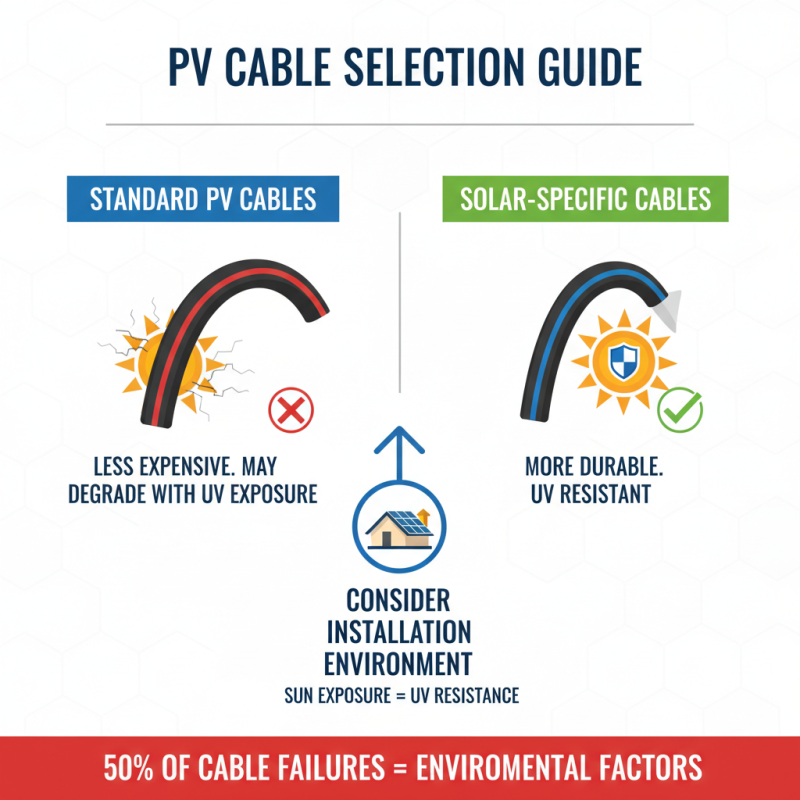
When selecting the right PV cable for a solar power system, understanding the types is vital. There are two main types: standard PV cables and solar-specific cables. Standard PV cables tend to be less expensive but may not withstand UV exposure as well as solar-specific cables. In choosing, consider the installation environment. For instance, cables exposed to sunlight need UV-resistance features. According to industry reports, about 50% of cable failures are linked to environmental factors.
Solar-specific cables, on the other hand, are designed for long-term performance. They offer better insulation and weather resistance. A survey revealed that systems using high-quality PV cables experience 30% fewer maintenance issues than those using standard options. However, high-quality cables often come at a premium price. Investors must weigh cost against potential longevity and reliability.
Not all cables are created equal. Some might degrade faster in harsh conditions. A lack of proper insulation can lead to energy loss or safety risks. It's crucial to evaluate specifications carefully. A notable report stated that approximately 15% of solar installations report failures due to improper wiring. This highlights the importance of selecting appropriate materials for longevity and efficiency.
Evaluating Technical Specifications of PV Cables
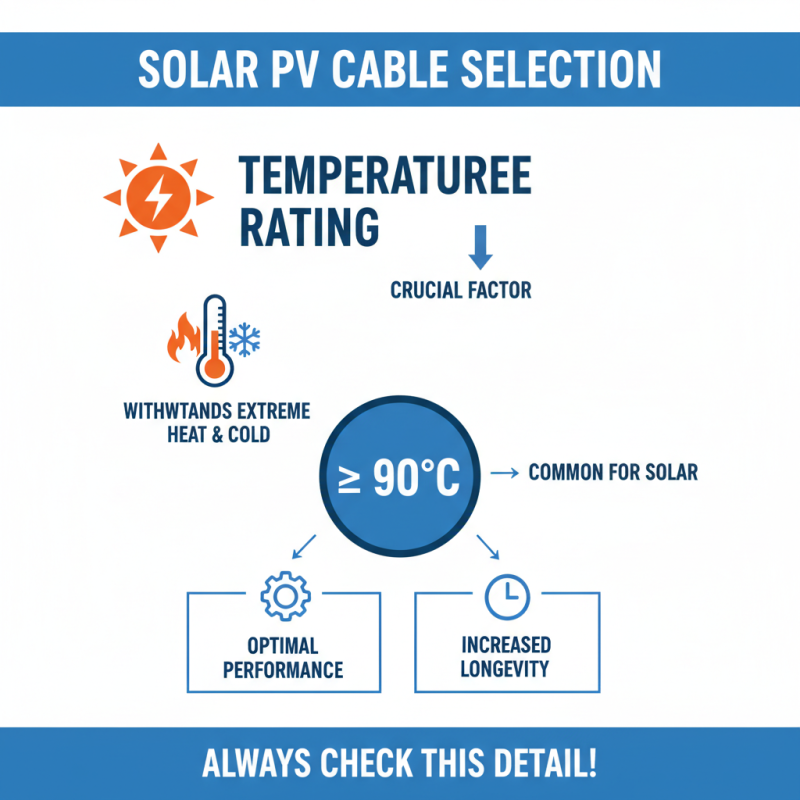
When choosing PV cables, evaluating their technical specifications is crucial. The temperature rating is one important factor. Cables need to withstand extreme heat and cold. A rating of at least 90°C is common for solar applications. Always check this detail. It can affect performance and longevity.
The insulation type matters, too. Cross-linked polyethylene (XLPE) or ethylene propylene diene monomer (EPDM) are good choices. They provide excellent resistance to UV rays and moisture. Relying on lower-quality insulation can lead to failures over time. A small oversight here can be costly in the long run.
Another key consideration is the cable's current-carrying capacity. This specification, often measured in amperes (A), should match the system's requirements. Too low a rating can result in overheating. Conversely, an overly high rating could indicate wasted resources. It’s worth taking the time to calculate the correct size. Consider your unique installation conditions, especially if it’s outdoors. A proper fit can mean the difference between efficiency and malfunction.
Safety Standards and Certifications for PV Cables in Solar Installations
When selecting photovoltaic (PV) cables for solar installations, safety standards and certifications are crucial. According to the International Electrotechnical Commission (IEC), cables must comply with the IEC 60228 standard. This ensures the conductor's performance is reliable and efficient. Many cables also meet the IEC 60906 standard, which involves safety and performance requirements specifically for low-voltage cables.
Cables must be rated for the appropriate temperature and environmental conditions. The National Electrical Code (NEC) in the United States mandates specific requirements for PV cables in residential and commercial systems. For instance, cables should withstand UV exposure and extreme temperatures. A recent report found that over 15% of solar installations faced issues due to improper cable specifications. This underscores the importance of good practices when choosing cables.
It is also important to look for certifications like TUV and UL. These certifications indicate that the cables have been tested for safety and efficiency. However, many install cables without these validations. This decision can lead to safety hazards and reduced system performance. Paying attention to these details can prevent issues down the line.