2026 Best Speaker Wire Options for High Quality Audio Experience
When it comes to achieving the best audio experience, the importance of high-quality speaker wire cannot be overstated. This often-overlooked component can significantly impact sound clarity and depth. Choosing the right speaker wire enhances your overall listening experience, whether you're a casual listener or a serious audiophile.
In 2026, many options are available, but not all wires are created equal. Different materials and constructions can yield varying results. Some users report dissatisfaction with their choices, while others enjoy a richer sound. Finding a balance between cost and quality can be challenging. It’s essential to consider the specific needs of your audio setup.
As we dive into the best speaker wire options, you'll discover how vital it is to match wire specifications with your equipment. Missteps in this area can lead to a lackluster sound or even technical issues. Reflecting on past experiences can guide your choices. Each option listed is meant to enhance your audio setup, creating a more immersive listening environment.
Understanding Speaker Wire: Basics and Importance in Audio Systems
Speaker wire is often overlooked in audio systems. However, it plays a crucial role in sound quality. The right wire ensures clear transmission of audio signals. Poor quality wires can lead to distortions. This results in a frustrating listening experience.
When choosing speaker wire, consider the gauge. A lower gauge means thicker wire, which is better for longer runs. Thicker wire reduces resistance and enhances audio quality. However, installing thicker wire can be challenging. It may not fit well in small connectors.
Tip: Always measure the distance from your amplifier to your speakers. This helps you select the appropriate wire length.
Another factor is insulation. High-quality insulation protects against interference. This can improve sound clarity. Using good insulation may cost more. But the audio improvement is often worth it.
Tip: Inspect your wires regularly for wear and tear. Damaged wires can diminish sound quality and need replacement.
Types of Speaker Wire: Gauge, Material, and Insulation Options
When selecting speaker wire, consider gauge, material, and insulation. These factors significantly impact audio quality. A common choice is 16-gauge wire for most home audio systems. This thickness offers a good balance between performance and affordability. According to industry studies, using the right gauge can reduce resistance, improving sound clarity and dynamics.
Material plays a crucial role, too. Copper is the typical choice, known for its excellent conductivity. However, some manufacturers use copper-clad aluminum for cost savings. Reports indicate that copper-clad aluminum can compromise audio fidelity. Insulation types vary as well. PVC is the most common, but more advanced options like Teflon can improve durability and reduce capacitance. The choice of insulation can affect flexibility and installation ease.
It’s essential to reflect on your specific needs. Not every high-end speaker requires expensive wire. Sometimes, a simpler solution works better. Users often overlook the significance of quality connections. Poor connectors can negate the benefits of high-quality wire. So, when upgrading your system, think about all these details. Your audio experience hinges on them.
2026 Best Speaker Wire Options for High Quality Audio Experience
| Wire Gauge (AWG) |
Material |
Insulation Type |
Length Options (ft) |
Price (per 100ft) |
| 12 |
OFC Copper |
PVC |
50, 100, 250 |
$80 |
| 14 |
Bare Copper |
TPE |
25, 50, 100 |
$65 |
| 16 |
CCA |
Polyethylene |
100, 250 |
$40 |
| 18 |
OFC Copper |
Foam Polyethylene |
50, 100 |
$30 |
| 20 |
CCA |
PVC |
25, 50 |
$20 |
Key Features to Look for in High-Quality Speaker Wire
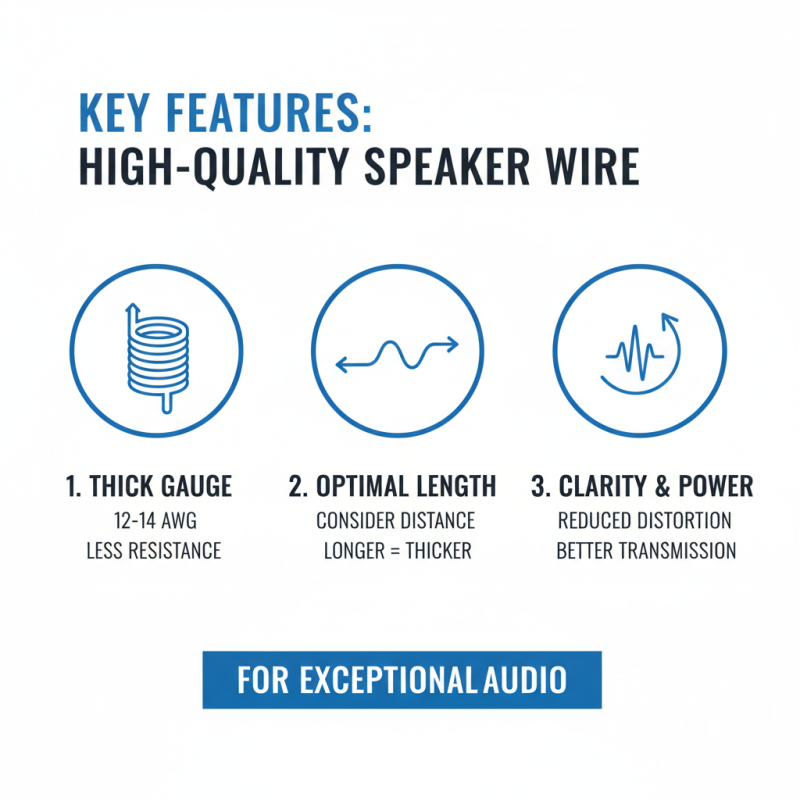
When choosing speaker wire for a high-quality audio experience, several key features stand out. Gauge is crucial. Thicker wires typically reduce resistance and better transmit sound. A gauge of 12 or 14 is often recommended for most setups. This helps maintain clarity and reduces distortion over long distances. But don’t just focus on thickness; consider the length too. Longer runs may require a thicker wire to ensure optimal performance.
Another important aspect is insulation. High-quality insulation materials protect against interference. Look for wires that use oxygen-free copper. This type resists corrosion and enhances sound clarity. Stranded wire is another choice, offering flexibility and ease of installation. However, it may not be suitable for every situation. Think about your environment. In some settings, stiff wire might actually connect better.
Lastly, pay attention to connectors. They can impact the overall sound quality. More expensive connectors may promise better results, but this isn’t always the case. Sometimes the difference is negligible. Weigh your options carefully. Aim for a balance between cost and quality, rather than chasing perfection. Not all high-end options deliver what they promise. Reflect on your own audio needs and preferences as you navigate these choices.
Comparing Top Speaker Wire Brands for Optimal Audio Performance
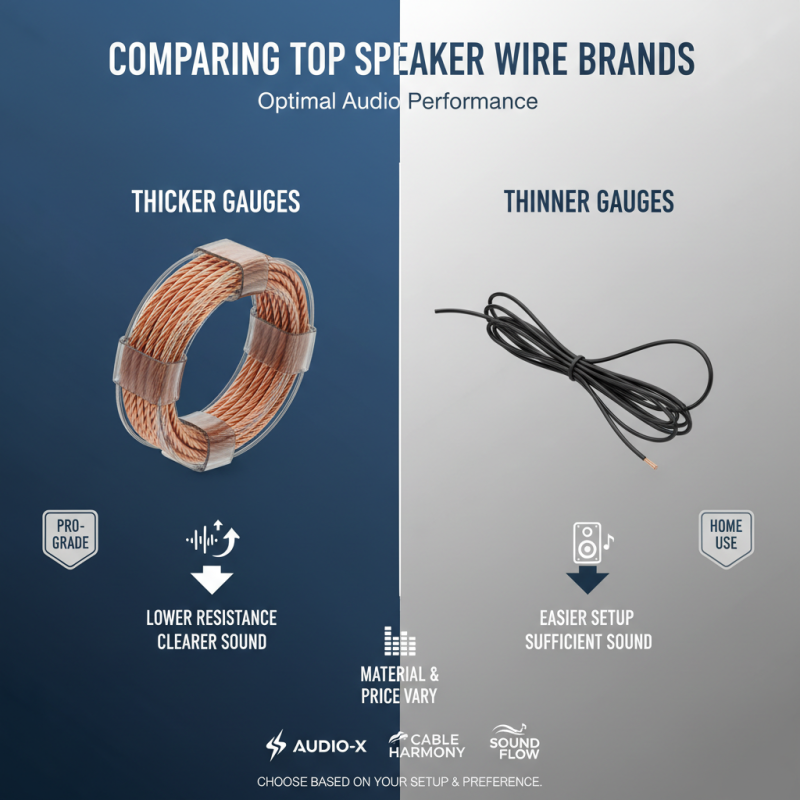
When selecting speaker wire, several key brands stand out for their performance. These options vary in size, material, and price. You might discover that thicker wire gauges provide clearer sound by reducing resistance. However, not everyone prefers heavy-duty cables. Some users find thinner wires sufficient for their setups.
Another consideration is the type of insulation. Many wires boast better shielding, which helps reduce interference. This leads to a cleaner audio experience. Nonetheless, not all brands deliver on their promises. It can be frustrating when the actual performance doesn't match expectations. Testing various options before making a commitment is wise.
Lastly, keep in mind the length of your speaker wire. Longer runs may lead to signal loss, affecting sound quality. While high-end wires promise superior audio, a budget-friendly choice might suffice for casual listening. Reflecting on personal listening experiences can help narrow down the best choice for your needs.
Installation Tips for Achieving the Best Sound Quality with Speaker Wires
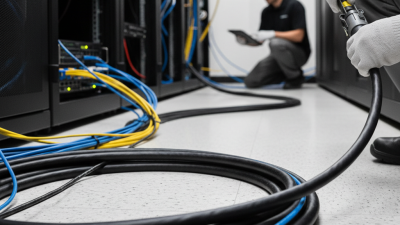
When installing speaker wires, attention to detail is crucial. First, ensure the wires are the correct gauge. Thicker wires minimize resistance. Common choices are 14 or 16-gauge wires. Using the wrong thickness can lead to sound loss. Measure the distance from your audio source to the speakers. This helps in buying the right length.
Next, consider the path of installation. Avoid running wires parallel to power cables. This can cause interference and degrade sound quality. Instead, run them in separate conduits. Staple wires neatly to walls or baseboards, maintaining tension. Loose wires can vibrate, which might disturb the audio clarity.
Lastly, connect the wires properly to the terminals. Make sure to strip the insulation without cutting the metal strands. Overlooking this step could result in a weak connection. Testing your setup before finalizing the installation is important. Listen for any inconsistencies. If something sounds off, revisit your wiring choices. Small adjustments can lead to significant improvements.