Best Home Elevators for Every Budget and Need?
In today’s world, the Home Elevator has become a practical feature for many homeowners. This innovation enhances accessibility and comfort. Whether you have a large family or a multi-level home, investing in a home elevator might be essential.
However, choosing the right elevator is not straightforward. Numerous options exist, each with varying specifications, capacities, and costs. You might find sleek designs that fit modern homes, while others focus on practicality and safety. Additionally, budget constraints can complicate your decision-making process.
Consider your unique needs and space limitations. A high-end model may look appealing but could strain your finances. It is essential to weigh your options carefully. Explore different brands and models before making a choice. Reflect on the long-term benefits, such as increased home value and convenience. In this guide, we will explore the best home elevators tailored for every budget and need, aiming to help you make an informed decision.
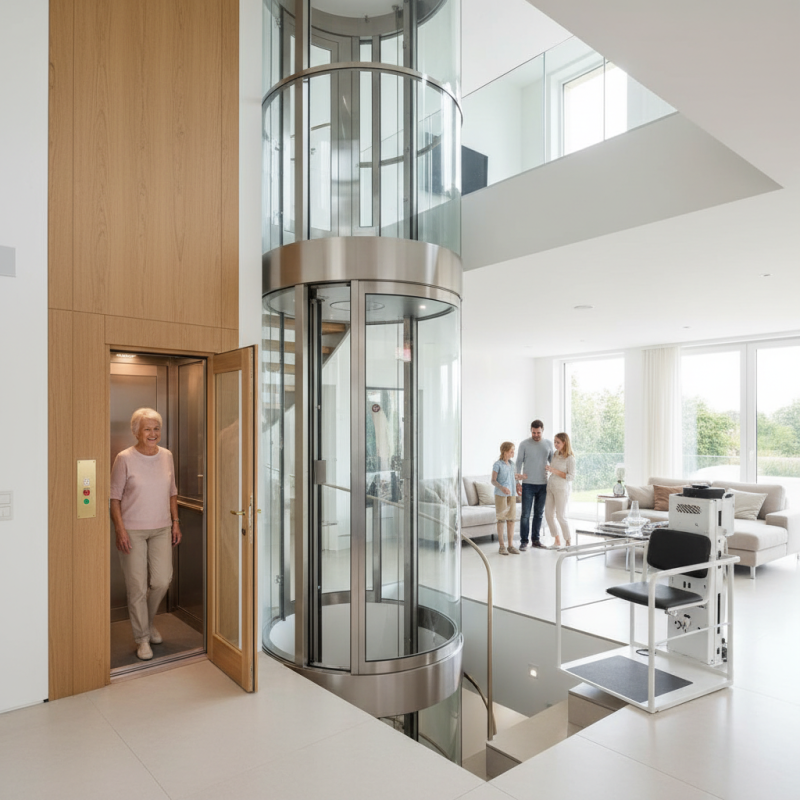
Types of Home Elevators: An Overview of Options Available
When considering home elevators, it's essential to explore the different types available. Residential elevators come in various designs, accommodating diverse needs and budgets. A standard vertical lift is one option. These lifts are straightforward and easy to install. They can fit compact spaces, making them ideal for smaller homes. However, their basic features may not suit everyone.
Another common type is the hydraulic elevator. This option is more powerful and can transport heavier loads. It's suitable for multi-story homes that require substantial lifting capacity. However, hydraulic models can be more complex and may require greater maintenance. Homeowners should weigh their urgency for performance against potential upkeep.
Additionally, pneumatic elevators are gaining popularity. They're sleek and modern, with a unique design. These elevators operate using air pressure, making them energy efficient. Yet, their installation requires more space and may not fit all home layouts perfectly. Homeowners should reflect on their specific needs, as each type of elevator has its pros and cons.
Factors to Consider When Choosing a Home Elevator for Your Budget
When choosing a home elevator, several factors come into play. The budget is crucial. Consider the average home elevator cost, which can range from $10,000 to $100,000. The cost often reflects the type, size, and materials used. A hydraulic elevator tends to be more expensive. In contrast, a pneumatic option is often more budget-friendly.
Installation space is another critical factor. A traditional elevator requires a shaft, while a tube model can fit into tighter spaces. Homeowners should assess their home's architecture. Some homes might not be suited for traditional installations.
Tips: Always check local codes. Compliance can save costs later. Don’t forget maintenance fees. They can add to your long-term expenditure.
Accessibility features are essential as well. Some elevators come with automatic doors for ease. Energy efficiency can also influence your choice and long-term costs. Look for models with lower energy consumption. Always prioritize reliability. Research customer reviews but consider that experiences can vary.
Best Home Elevators for Every Budget and Need
This chart illustrates the costs associated with different categories of home elevators, ranging from basic to luxury options. Understanding these costs helps homeowners make informed decisions based on their budget and needs.
Top Home Elevator Brands and Their Unique Features
When considering home elevators, various brands uniquely cater to specific needs and budgets. Some focus on residential designs that integrate seamlessly with home aesthetics. A recent industry study indicates a growing demand for compact elevators, particularly where space is limited. Elevators that occupy less than 5 square feet are increasingly popular among homeowners looking to maximize living areas.
Different brands offer specialized features. Many now incorporate smart technology, allowing users to control their elevators via smartphone apps. Meanwhile, sustainability is a crucial factor. A significant number of newly designed home elevators utilize energy-efficient systems, reducing both utility bills and environmental impact. In a world that seeks greener options, this trend is noteworthy.
However, challenges persist in selecting the right elevator. Homeowners often overlook installation complexities. This can lead to unexpected costs and delays. Furthermore, while advanced features attract attention, they may complicate maintenance. Regular upkeep is vital to ensure longevity. Homeowners should weigh the pros and cons of high-tech versus straightforward designs. Balancing innovation with practicality remains a key consideration in today's marketplace.
Cost Comparison: Luxury vs. Budget-Friendly Home Elevators
When considering home elevators, costs vary greatly. Luxury elevators often feature sleek designs, high-quality materials, and advanced technology. These options usually come with a higher price tag, sometimes exceeding hundreds of thousands of dollars. Installation can be complex and requires significant planning. Homeowners must carefully evaluate their long-term needs against the cost.
On the other hand, budget-friendly elevators offer practical solutions. They may lack some features but can still be effective for mobility. Prices can start in the lower range, making them more accessible for many families. However, these options might not always blend well with luxurious interiors. Some homebuyers might regret opting for budget choices later. They may feel they compromised on aesthetics for price.
Ultimately, making the right choice needs careful reflection. Assessing your home’s design and your family's needs is crucial. You may find that the right fit lies somewhere in between luxury and budget. Balancing comfort, style, and budget can lead to better satisfaction overall.
Installation and Maintenance: What to Expect with Home Elevators
Installing a home elevator can seem overwhelming. However, with the right knowledge, it becomes manageable. Begin by assessing available space and identifying specific needs. The installation process typically takes a few days. Contractors will make necessary adjustments to the structure. Dust and noise are common during this time. It's important to prepare for disruptions in daily life.
Maintenance is crucial for longevity. Regular checks ensure smooth operation. Expect to inspect cables and buttons frequently. Unusual noises may signal underlying issues. Addressing these concerns early can save money in repairs. Many homeowners find it easy to overlook simple tasks. Yet, this maintenance is key to avoiding larger problems later on.
Consider accessibility needs when selecting an elevator type. An option that works for one home may not suit another. Tailoring your choice can improve functionality. Keep the lines of communication open with installers. Their insights can help navigate unexpected challenges. Each decision impacts both usability and convenience. Reflecting on these aspects is vital.